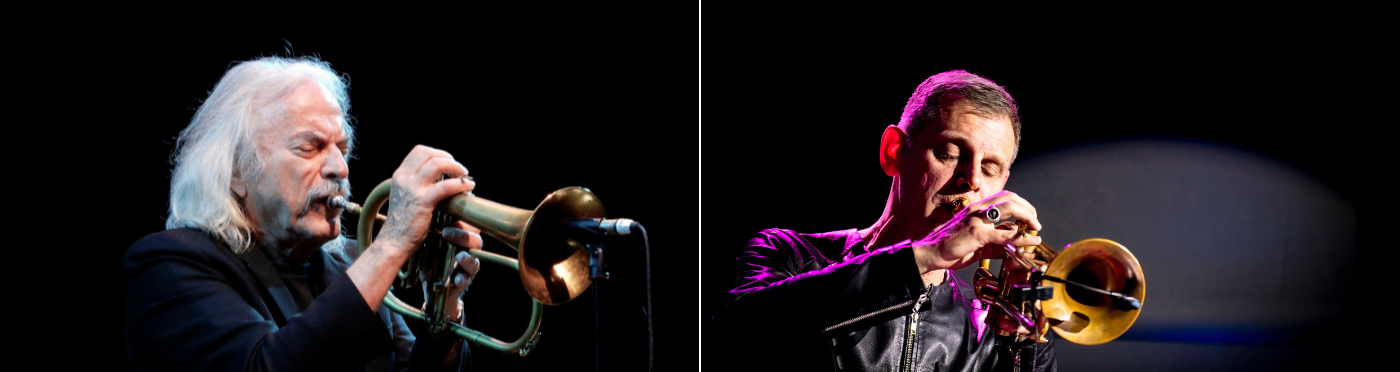
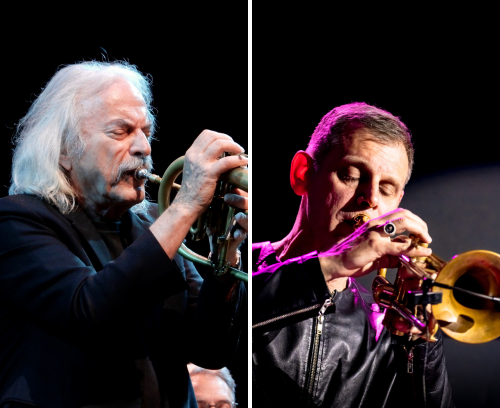
Enrico Rava is, in his own way, a unique figure among Italian jazz musicians. More than anyone else, he trained both in Rome and abroad—Buenos Aires, New York, and later Central Europe—beginning in the 1960s, forging a personal language, not only as a trumpeter but also as a bandleader. His style draws as much from the American mainstream of the late 1950s (the first quintet of Miles Davis and the West Coast sound of Chet Baker) as from the international avant-gardes of the 1960s, encompassing both Miles’s second quintet and the emerging European improvised music scene.
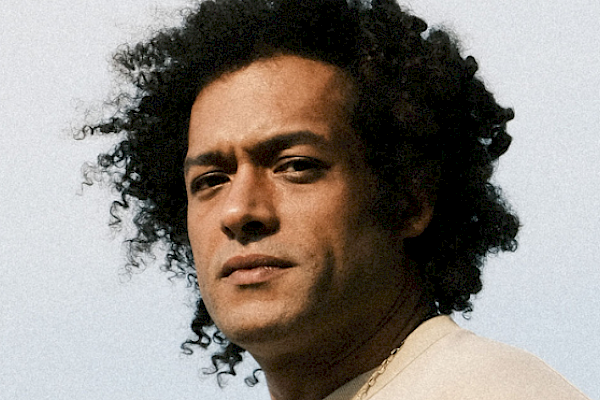
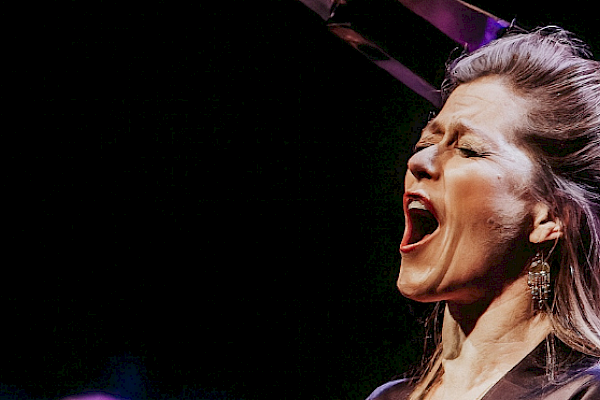
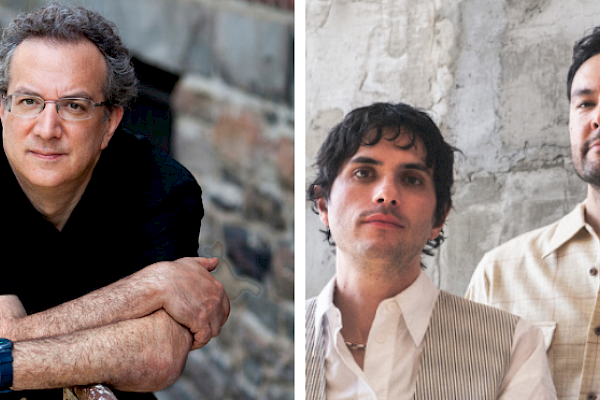
From the early 1970s onward, Rava succeeded in blending these influences with a marked lyricism rooted, in his own way, in Italian bel canto. Alongside performing with many of the great figures of the American and European scenes, he has consistently led his own ensembles, within which he has given voice to several new generations of musicians (Stefano Bollani himself was one of his discoveries in the mid-1990s). He did so again three years ago when he created his latest project, The Fearless Five, bringing together four truly “fearless” young talents: trombonist Matteo Paggi and drummer Evita Polidoro—both discovered at the Siena seminars—who blend seamlessly with double bassist Francesco Ponticelli and guitarist Francesco Diodati.
On an evening that aims to reach midnight to blow out Miles’s hundred candles, one of the trumpeters most beloved by Italian audiences, Fabrizio Bosso, demonstrates—without any desire to desacralize—that it is possible to build a strong personal identity and recognized credibility without starting from Miles, but rather from the line that runs from Clifford Brown to Lee Morgan, or from Freddie Hubbard to Woody Shaw. Bosso’s new quartet moves from the lesson of new bop toward an updated modern mainstream.
The guest appearing with him in Vicenza, French saxophonist Géraldine Laurent, is in this sense an excellent complement to Bosso’s language. Grounded in a deep study of the history of her instrument—the alto saxophone (thus Charlie Parker, but also Gigi Gryce and Eric Dolphy)—Laurent has nonetheless been more inclined to draw inspiration from the great tenor players, from Sonny Rollins to Wayne Shorter, shaping her own distinctive vocabulary.